

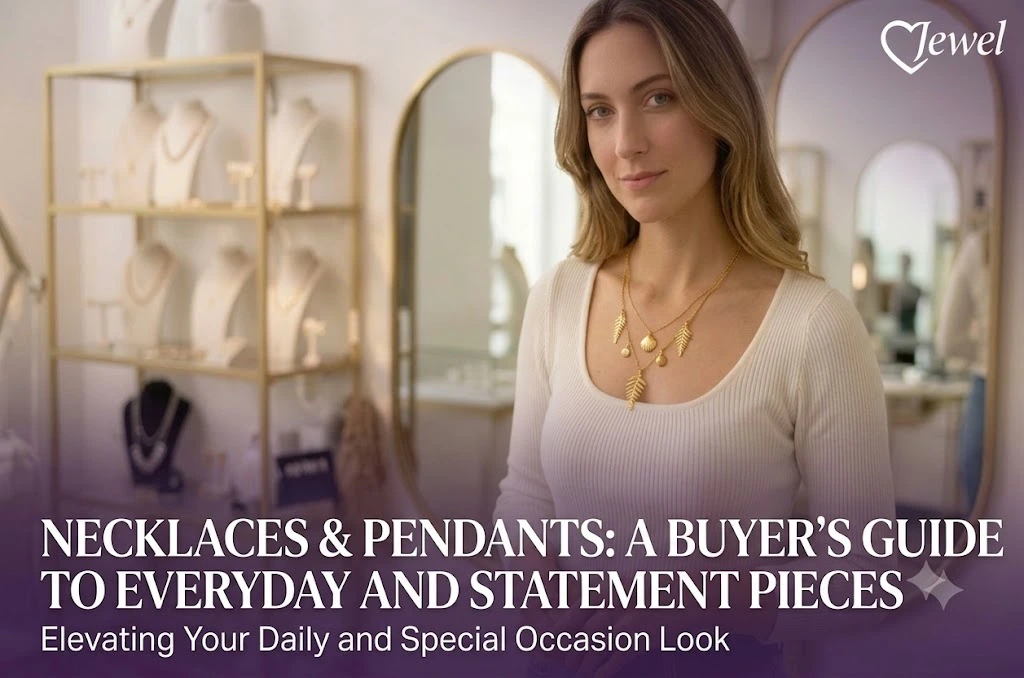
The jewellery scene has quietly become one of the more interesting ones around. Walk down the main street on a Saturday and you’ll spot students layering thin gold chains under op-shop jackets, and a few doors down, someone picking out a proper statement piece for a winter ball. If you’re after a necklace store you actually trust, you’ve got more choice now than even five years ago — though not all of it is worth your money.
This guide’s for anyone trying to figure out what’s actually good, what’s just trend-driven filler, and how to build a necklace collection that works for the local weather, wardrobe, and price range.
Everyday Chains: What’s Actually Wearable
The wind off the harbour and the general “throw on a puffer and go” energy of student life means delicate, high-maintenance pieces often end up sitting in a drawer. If you want something you’ll genuinely wear most days, look at:
- Snake chains or box chains in 14k gold plate — durable, catch less on scarves and jumpers
- Simple pendant designs rather than anything with dangling charms that snag
- Adjustable lengths, since layering under different collar styles is basically the uniform
Gold plating quality matters more than people realise. A lot of cheaper imported stock uses a thin flash plate that wears through in months, especially if you’re showering or swimming with it on (which, let’s be honest, most of us do at some point). Look for at least 2-3 microns of gold thickness over sterling silver or brass base — that’s the difference between a necklace lasting a year and one going green by March.
The Gen Z Shift Toward Layered Pendants
There’s been a real change in what younger buyers want. A few years back it was minimalist single chains, full stop. Now the university crowd is layering two or three pieces — a short choker-length chain, a mid-length with a small charm, and a longer pendant necklace that can be dressed up or down depending on the day.
Zodiac pendants, initial letters, and small coloured stone drops are the biggest sellers right now. There’s also been a quiet return to lockets, which surprised a lot of people in the industry — Gen Z buyers seem drawn to the sentimentality of them, using them to hold tiny photos or even a lock of hair, which honestly feels like a full circle moment from Victorian jewellery trends.
If you’re new to layering, start with two pieces of noticeably different lengths so they don’t tangle constantly. A 40cm chain paired with a 50-55cm pendant piece tends to sit well without competing for attention.
Statement Pieces for Special Events
Not everything needs to be subtle. Graduation season, winter balls, and the odd wedding call for something with more presence. A jewellery store you rely on for occasion pieces should carry chunkier chain designs, larger pendant stones, and layered multi-strand options that photograph well under evening lighting.
For statement pieces, plated gold can look every bit as good as solid gold in photos and in person — the difference only really shows up over years of daily wear, which isn’t usually a concern for an occasional piece worn a handful of times a year. If you’re buying something for one big event, plated gold is genuinely the smarter spend.
Solid Gold vs Plated: The Honest Breakdown
People ask us this constantly, so here’s the straight answer. Solid gold costs significantly more and will hold its value and colour indefinitely with basic care. Plated gold costs a fraction of that and looks nearly identical when new, but needs more attention — avoid perfume directly on it, take it off before showering, and store it away from other jewellery so it doesn’t scratch.
For most people building a first collection, or anyone experimenting with trends that might not last (hello, coin pendants), plated is the sensible choice. You can build a whole layered look for what one solid gold chain would cost. Save the solid gold budget for a piece you know you’ll wear for decades — a simple pendant on a fine chain, something you won’t get bored of.
What to Check Before You Buy
A few practical things worth checking regardless of where you shop:
Look at the clasp first. Lobster clasps are generally more secure than spring rings, especially if you’ve got any dexterity issues or just tend to be a bit rough with jewellery getting dressed in a hurry. Check the join where the pendant meets the chain too — that’s usually the first point of failure on cheaper pieces.
Ask about the base metal under the plating. Brass bases are more affordable but can occasionally cause skin reactions in sensitive people; sterling silver bases plated in gold (sometimes called vermeil) tend to be gentler and age better even as the gold wears.
Supporting Local
Buying from a local necklace store, rather than a faceless overseas site, means you can actually walk in if a clasp breaks or a stone comes loose. It also means the person serving you probably wears the stock themselves and can tell you honestly whether a piece will hold up to your climate and your day-to-day life — not just read you a product description.
There’s something to be said for supporting a jewellery store that’s been kept going through years of changing high street conditions, too. It’s not just about convenience; it’s about having a relationship with a shop that’ll still be there when you come back for a birthday gift or a repair.
Building Your Collection Over Time
You don’t need to buy everything at once. Start with one solid everyday chain, add a pendant necklace that suits your weather and wardrobe, and build out from there as your style settles. Jewellery collections that feel put-together usually weren’t bought in a single trip — they’re built piece by piece, often over a couple of years, with the odd upgrade along the way.
If you’re stuck on where to begin, come in and try a few things on rather than guessing from photos online. Lighting changes everything with gold plate, and what looks great on a screen doesn’t always suit your skin tone or the length of your neck the way you’d expect.
Either way, there are more genuinely good options now than there used to be, and building a collection that actually gets worn — not just bought and forgotten — is entirely doable on a student or young professional budget
