

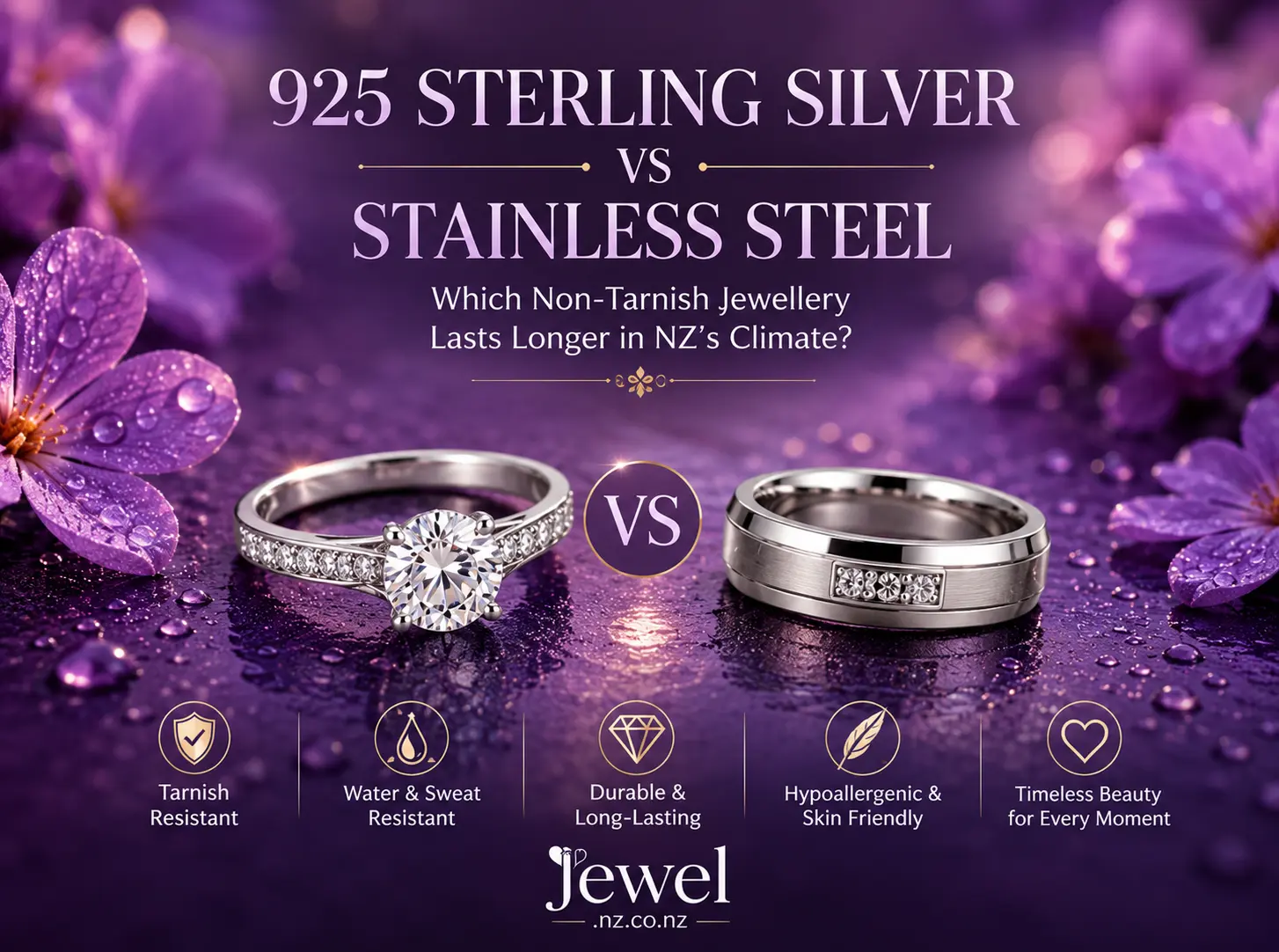
While New Zealand’s weather is gorgeous, it can be a challenge for jewellery. The coastal climate with its high humidity, temperature fluctuations and exposure to water can colour the appearance of your favourite accessories over the years. If you’re shopping for sterling silver jewellery nz, you may also wonder whether stainless steel is a better choice for everyday wear. The right material is a factor that one has to consider because if one chooses a right jewellery for a right material, then one can choose a jewellery which can be seen bright with a minimum maintenance.
Sterling or stainless steel are both popular choices, but their surface finish, durability, maintenance and value vary. This is a guide to the characteristics of each material in a NZ climate, helping you to choose the most appropriate material for your collection.
Understanding 925 Sterling Silver
925 sterling silver jewellery is made from 92.5% pure silver and 7.5% other metals, usually copper. Pure silver naturally has a softness, hence the inclusion of the alloy makes the material stronger which can then be used in jewellery that is well suited for everyday use.
Sterling silver has been a favourite for generations and a timeless beauty. Gives a shiny white appearance that would complement any kind of outfit, whether it is the most casual or also formal. Sterling Silver earrings, necklaces, bracelets and rings all have a great look and can last a lifetime!
It’s important to note that sterling silver has the potential to tarnish over time. Tarnishing is not rust nor permanent damage. Rather, it is a surface reaction, which may be attributed to sulphur compounds, moisture and air. Luckily it’s possible to bring back the shine easily with proper care
Understanding Stainless Steel Jewellery
The durability and low maintenance of stainless steel jewellery make it popular these days. Stainless steel is a material which is made with the addition of chromium to iron and other metals and protects itself from scratches and corrosion. Stainless steel is more often selected for daily use because it is very low maintenance. It does not fade or become discoloured when exposed to water, sweat and humid conditions.
Today, stainless steel jewellery can also be given a nice finish using modern manufacturing methods and can be used to create attractive finishes that compare to those of precious metal jewelry, but are far more durable.
How New Zealand’s Climate Affects Jewellery
New Zealand weather patterns are extreme. Salt particles are ever-present on coastal areas, high humidity can be experienced inland as can torrentially heavy rain and in summer days of harsh sun. Your jewelry will either encounter salty air or moisture in high amounts.
Salt can also settle on jewellery’s surface, and moisture will naturally encourage some natural oxidation Jewellery is often exposed to outdoor environments where many Kiwis like to be active and outdoor jewellery can be more prone to wear due to the environment. The choice of material is based on the use and placement of jewellery.
Comparing Durability
Add to this perspiration, sunscreen, perfumes and any chemicals within your home and over time, your treasured piece will become dulled. In contrast to sterling silver stainless steel offers great resilience. Its hardness is much more extreme than sterling, this surface will not dent, bend, or scratch so it is extremely appropriate for high activity wearers that want to be able to leave the jewelry on without taking it off. It can handle the rough treatment that comes with training, handiwork, and just plain getting stuck in.
Sterling silver is more resistant than other types, but it also is softer. If you have been wearing fine silver jewellery for several years there can be some scratching, which can make its appearance. But, in most cases, these small blemishes can be buffed by a professional jeweller and rejuvenate the jewellery to its former glory
Which Material Tarnishes Less?
This is where non-tarnished jewellery comes into play. The stainless steel is naturally protected by the chromium oxide surface against tarnish. It will typically need to be cleaned every once in a while after years of use to keep it shiny.
Sterling silver does tarnish, naturally, over time, particularly in humid or coastal settings. But it is perfectly normal to get a tarnish, that doesn’t mean there is a problem with the jewellery. Sterling silver can be maintained to look beautiful for many years by regular cleaning and proper storage. Stainless steel is usually easier to care for for individuals who wish to have the least amount of maintenance possible.
Comfort for Everyday Wear
While weight is a factor when it comes to comfortable jewellery, it is skin sensitivity as well. Because sterling silver jewellery is relatively lightweight, it’s something that you could wear easily without discomfort over extended periods. If you are in search of comfort, a well made stainless steel jewellery item can still feel comfortable while it may be a little bit heavy on some items depending on the model. Sensitive skin is generally not too fussy about either materials, especially if the jewellery is manufactured with a premium quality alloy.
Maintenance Requirements
The upkeep required When it comes to sterling silver, it will require a light polishing now and again with the use of a soft jewellery cloth. It’s a smart practice to remove jewelry prior to getting into a pool, going into a shower, or using chemicals in the home as this can preserve its overall look. Stainless is quite easy to look after and typically a wash in a bowl with some mild dish soap and warm water with a soft cloth is more than sufficient to get it gleaming. Regardless of what your jewelry is made from, storing it properly is the key to ensuring that it lasts a long time.
Which Jewellery Is Better for Coastal Living?
A large proportion of New Zealand is near to the coast and jewellery is subjected to salty air year-round. The stainless steel handles are exceptionally strong against the harsh conditions in coastal areas thanks to their natural resistance to corrosion.
Owners should also rinse jewellery after use near the coast and place it carefully away from harm when at home; Sterling silver can be used near the coast as well. When cared for properly, sterling silver remains beautiful even in a coastal setting.
Choosing the Right Jewellery for Your Lifestyle
The best one will depend on your lifestyle. For the ease of maintenance and moisture and scratch resistance, stainless steel is an excellent option. Sterling silver is one of the best jewellery investments to make for those who value classic style, timeless designs, precious materials and traditional workmanship. Many jewellery fans opt to have both as they are appropriate for every day wear as well as special events.
Finding Quality Jewellery in New Zealand
Quality craftsmanship is more important than anything else, no matter which material you select. Quality jewellery is fastened with a clasp, has a smooth finish, solid setting and good quality materials. When you purchase from reputable jewelry stores, you can be sure that it will be a lovely investment for quite a while more.
Jewel offers a reduced selection of collections that are tailored to a New Zealand lifestyle, offering fashionable, quality, comfortable and timeless products.
Frequently Asked Questions
Does sterling silver tarnish in NZ?
Yes. With time, sterling silver can tarnish as a result of humidity and coastal air, but it is easy to clean and restore this shine with correct care.
So, which is better, stainless steel or sterling silver?
Both have advantages. The stainless steel is more scratch resistant and waterproof, the sterling silver is more elegant and has more value.
What jewellery is more durable – gold or silver?
Sterling silver and stainless steel jewellery can endure for a number of years if taken care properly. While stainless steel will require less maintenance, sterling silver may require some polishing from time to time.
Is it okay to wear sterling silver every day?
Yes. Sterling silver is a 900 finish and can be worn daily. Its appearance will be maintained if it is removed prior to swimming, vigorous exercise, or over-zealous use of chemicals.
Which type of jewellery will work well in the NZ coastal environment?
Of course stainless is ideal for salty coastal environments, but high quality sterling silver will be just as versatile if properly cleaned and stored.
